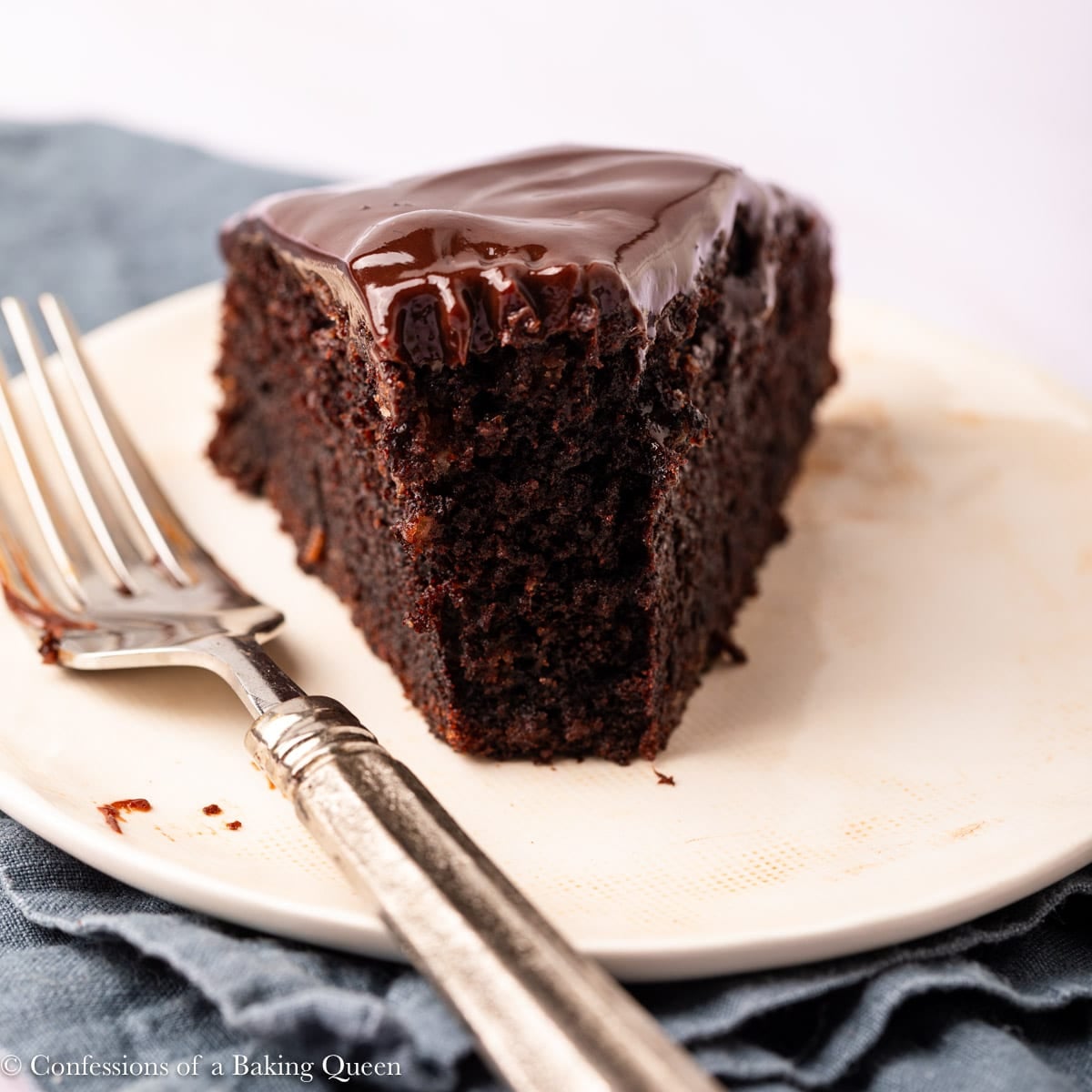
The Science of a Sensation: Crafting the Perfect Chocolate Olive Oil Cake
In the vast culinary landscape, some desserts merely satisfy, while others captivate. Then there are those rare creations that become instant sensations, transcending expectations and sparking a delightful curiosity. The chocolate olive oil cake falls squarely into this latter category. What began as a seemingly simple olive oil cake, lauded for its uncanny moisture and subtle fruitiness, has now evolved into a deeply rich, intensely chocolatey marvel that continues to surprise and delight palates worldwide. This isn't just about mixing ingredients; it's a testament to the beautiful interplay of culinary art and fundamental food science.
Imagine a cake that boasts an incredibly moist, tender crumb, a sophisticated depth of chocolate flavor, and a delightfully simple yet elegant presentation. Now, imagine discovering its secret ingredient is something as unexpected as extra-virgin olive oil. This is the magic of the Dark, Rich, and Dead Simple: Your New Favorite Chocolate Olive Oil Cake—a dessert that challenges perceptions and rewards with an unforgettable experience. But what exactly makes this particular chocolate olive oil cake so extraordinary, and how does its carefully crafted recipe navigate the delicate balance of flavor and structure?
The Unexpected Star: Why Olive Oil?
The original olive oil cake, a precursor to its chocolate cousin, quickly ascended to cult status. Its appeal was multifaceted: it was uncomplicated, used everyday ingredients, and yet delivered an experience far beyond its humble origins. The "twist" was, of course, the extra-virgin olive oil, replacing traditional butter. This substitution wasn't merely a novelty; it was a stroke of culinary genius backed by scientific principle.
Unbeatable Moisture and Texture: One of the primary advantages of an oil-based cake over a butter cake lies in its inherent structure and texture. Butter, being solid at room temperature, creates a different mouthfeel, often resulting in a firmer crumb as it cools. Olive oil, however, remains fluid. This fluidity translates directly into a cake that tastes noticeably softer and retains its moisture for much longer. The oil coats the flour particles more thoroughly and consistently, leading to a fine, plush crumb that melts in your mouth. This inherent moistness means the cake stays fresh for days, making it an ideal candidate for make-ahead baking or simply enjoying throughout the week. For a deeper dive into this phenomenon, explore Unlock Unbeatable Moisture: The Magic of Olive Oil in Chocolate Cake.
Flavor Harmony: Beyond moisture, olive oil contributes a subtle yet sophisticated flavor profile. A good quality extra-virgin olive oil brings fruity, sometimes peppery, notes that, in the original cake, were beautifully accentuated by a hint of grated lemon zest. This brightens the overall taste without overwhelming it. In the chocolate version, the olive oil's mild fruitiness plays harmoniously with the deep cocoa, adding complexity and a nuanced finish that butter simply cannot replicate. It's this intriguing "secret ingredient" that often sparks conversation and leaves guests pleasantly surprised.
Simplicity and Elegance: The original cake was celebrated for how quickly it came together, often sporting a charming crackly sugar crust instead of heavy frosting. This ease of preparation, coupled with the refined texture and flavor, made it versatile enough to be enjoyed plain with an afternoon cup of tea or dressed up with garnishes for a formal dinner party. The chocolate olive oil cake inherits this legacy, proving that simple ingredients, when understood and skillfully combined, can indeed create an elegant, bakery-worthy dessert.
The Art & Science of Going Chocolate
Converting a beloved non-chocolate cake into a chocolate version might seem straightforward: just swap some flour for cocoa powder, right? The reality, as many bakers discover, is far more complex. Cocoa powder, while rich in cocoa solids and assertively chocolatey, isn't a direct substitute for flour, and understanding its unique properties is crucial for success.
The Cocoa Powder Conundrum: Cocoa powder shares some dry, starchy qualities with all-purpose flour, but that's where the similarities end. Unlike flour, cocoa powder is intensely bitter and notably acidic (unless it's Dutch-processed). If you simply replace a portion of the flour with an equal amount of cocoa without other adjustments, the resulting cake will likely be unbalanced in flavor. Moreover, simply adding more sugar to counteract the bitterness isn't a foolproof solution. Extra sugar can weigh down the batter, potentially leading to a dense, fallen cake, as the delicate balance of dry and wet ingredients is disrupted.
The Role of Amylose: The science behind this challenge is fascinating. The starch in cocoa powder is unusually high in amylose. Generally, starches with higher amylose content tend to create more viscous, or thicker, mixtures when hydrated and heated. In a cake batter, this can affect gluten development and the overall structure, potentially resulting in a crumb that is gummy or overly dense if not properly managed. This means a direct substitution without reformulation could lead to a significantly different, and often undesirable, cake texture.
The Path to Perfection: Blooming and Reformulation: Crafting the perfect chocolate olive oil cake, therefore, requires an "extensive reformulation." One of the most critical techniques for achieving a deep, intense chocolate flavor and proper cake structure is blooming the cocoa powder. This involves combining cocoa powder with a hot liquid—often hot water, coffee, or even milk—before adding it to the batter. The heat helps to:
- Intensify Flavor: Blooming unlocks the full spectrum of cocoa's flavor compounds, making the chocolate taste richer and more pronounced.
- Dissolve Bitterness: It helps to mellow out some of the inherent bitterness in natural cocoa powder.
- Hydrate Starch: It ensures the cocoa's starch is properly hydrated, contributing to a tender crumb rather than a dry or dense one.
The addition of a hot liquid also seamlessly integrates the cocoa into the wet ingredients, preventing dry pockets and ensuring an even distribution of flavor. Many recipes wisely incorporate espresso or strong coffee into the blooming process, as coffee is renowned for its ability to enhance and deepen chocolate notes without making the cake taste overtly like coffee.
Crafting Your Perfect Chocolate Olive Oil Cake
Achieving the sensation of the perfect chocolate olive oil cake comes down to a few key considerations, from ingredient selection to thoughtful preparation.
Ingredient Excellence:
- Olive Oil: Opt for a good quality extra-virgin olive oil. A mild, fruity variety is generally best, as anything too peppery or robust might overpower the delicate chocolate. Remember, the oil isn't just a fat; it's a flavor contributor.
- Cocoa Powder: For the deepest chocolate flavor, natural unsweetened cocoa powder is often preferred, especially when bloomed. If using Dutch-processed cocoa (which is less acidic), ensure your leavening agents (baking soda/powder) are balanced accordingly.
- Zest: While the original used lemon, don't be afraid to experiment. Orange or even lime zest can add a beautiful aromatic lift that complements both the olive oil and chocolate.
Mastering the Technique:
- Whipping for Volume: Begin by thoroughly whipping eggs, sugar, and zest (if using) until the mixture is voluminous and pale yellow. This incorporates air, which is crucial for a light, tender crumb.
- Gentle Oil Incorporation: Drizzle in the extra-virgin olive oil slowly, allowing it to emulsify fully without deflating the aerated egg mixture.
- Alternating Dry and Wet: Incorporate dry ingredients (flour, bloomed cocoa, baking powder, salt) alternating with milk or another liquid. This technique helps prevent overmixing, which can lead to a tough cake.
- The Signature Crust: A simple sprinkle of granulated sugar on top before baking often yields that delightful crackly crust, offering a textural contrast to the plush interior.
Flavorful Variations: The beauty of this cake lies in its adaptability. Once you've mastered the basic recipe, consider these creative twists:
- Spiced Delights: Infuse the batter with warm spices like cardamom, a pinch of anise seeds, or even a hint of finely chopped fresh rosemary for an unexpected savory-sweet note.
- Citrus Boost: Beyond orange or lime zest, consider using citrus-infused olive oils for an extra layer of flavor.
- Added Textures: Fold in chocolate chips, chopped nuts (like almonds or pistachios), or even dried cherries for additional texture and bursts of flavor.
Serving Suggestions: While undeniably elegant on its own, a chocolate olive oil cake can be gussied up to suit any occasion. A simple dusting of powdered sugar, a dollop of fresh whipped cream, or a scattering of fresh berries elevates its presentation. For true indulgence, a quick chocolate ganache poured over the top turns it into a showstopper, providing an extra layer of chocolate intensity that perfectly complements the cake's unique moisture.
Conclusion
The chocolate olive oil cake is more than just a dessert; it's a testament to culinary innovation, a fusion of unexpected ingredients that results in pure delight. Its journey from a simple olive oil cake to a deeply chocolatey sensation showcases the power of understanding ingredients and the science behind them. With its unparalleled moisture, sophisticated flavor profile, and surprising secret ingredient, this cake has rightfully earned its place as a beloved favorite. So, next time you're seeking a dessert that is both intriguing and utterly delicious, embark on the journey of crafting your own perfect chocolate olive oil cake. You'll not only bake a magnificent treat but also uncover the delicious science behind a true sensation.
